Top 10 Drain Blockage Causes – Signs & Prevention Tips
| Pryceless MG Team
A drain blockage is one of the most common household plumbing problems, yet it often starts quietly and worsens over time. What begins as slow drainage can quickly escalate into foul odors, water backup, and even structural damage if ignored. Understanding why drains get blocked and how the process develops helps you prevent costly repairs and maintain a healthy plumbing system.
What is a Drain Blockage?
A drain blockage occurs when water flow through pipes is restricted or completely stopped due to the buildup of debris, grease, foreign objects, or structural issues inside the plumbing system. This can affect kitchen sinks, bathroom drains, toilets, floor drains, and even main sewer lines.
Blockages typically form gradually. Small particles accumulate over time, narrowing the pipe diameter until water can no longer pass freely.
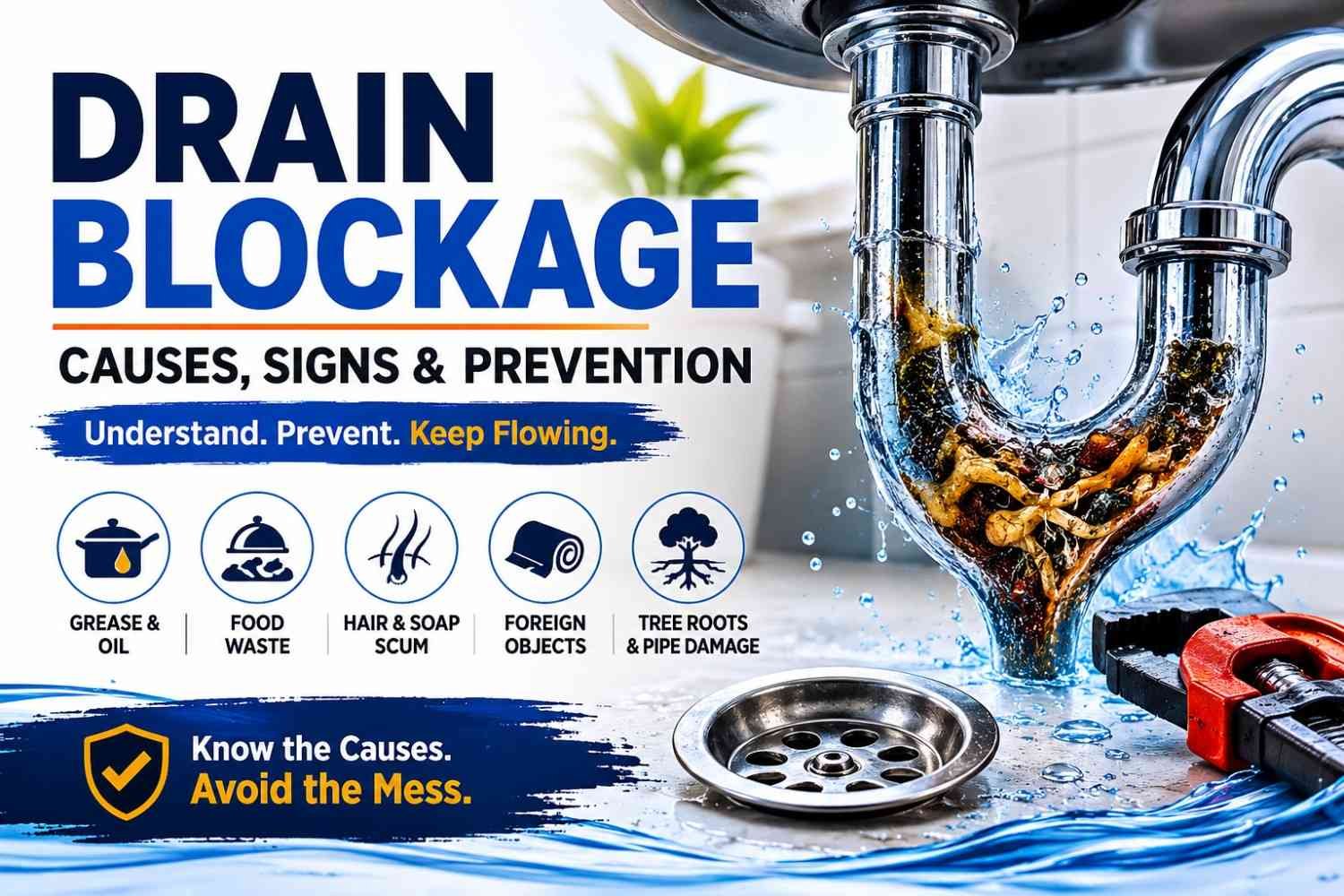
Common Causes of Drain Blockage
1. Grease, Oil, and Fat Buildup (Kitchen Drains)
One of the biggest contributors to drain blockages in households is cooking grease. When hot oil or fat is poured down the sink, it may appear liquid, but it cools and solidifies inside pipes. Over time, it sticks to pipe walls and traps food particles, forming hard blockages.
Typical sources:
- Cooking oil
- Butter and margarine
- Meat fat and drippings
2. Food Waste and Organic Matter
Even with a sink strainer, small food particles often enter the drain. Items like rice, pasta, coffee grounds, and vegetable peels expand or clump together inside pipes, creating dense blockages.
These materials break down slowly and often combine with grease, making the clog worse.
3. Hair Accumulation (Bathroom Drains)
Hair is one of the most common causes of bathroom drain blockages. It binds with soap residue and forms tangled clumps that restrict water flow.
Common areas affected:
- Shower drains
- Bathroom sinks
- Bathtub drains
4. Soap Scum and Mineral Deposits
Soap contains fats that react with minerals in hard water, forming a sticky residue known as soap scum. This builds up on pipe walls and reduces the pipe diameter over time.
In areas with hard water, mineral deposits (calcium and magnesium) also contribute to narrowing pipes.
5. Foreign Objects
Accidental or improper disposal of items can cause immediate and severe blockages. These objects do not break down and often get stuck in bends or narrow sections of pipes.
Examples include:
- Wet wipes (even “flushable” ones)
- Cotton buds
- Sanitary products
- Small toys or plastic items
6. Tree Root Intrusion (Outdoor Drains)
Tree roots naturally seek moisture and can enter underground sewer lines through small cracks or joints. Once inside, they grow rapidly and block the flow of wastewater.
This is one of the most serious types of drain blockage because it affects the main sewer line.
7. Structural Pipe Damage
Old or poorly installed pipes can collapse, crack, or shift over time. This restricts flow and traps debris, leading to recurring blockages.
Common causes:
- Aging pipes
- Ground movement
- Poor installation
- Corrosion in metal pipes
8. Poor Drain Design or Installation
Sometimes the issue is not usage but design. Incorrect pipe slope, sharp bends, or undersized pipes reduce water flow efficiency and increase the chance of clogging.
Warning Signs of a Drain Blockage
Early detection can prevent major plumbing issues. Watch for:
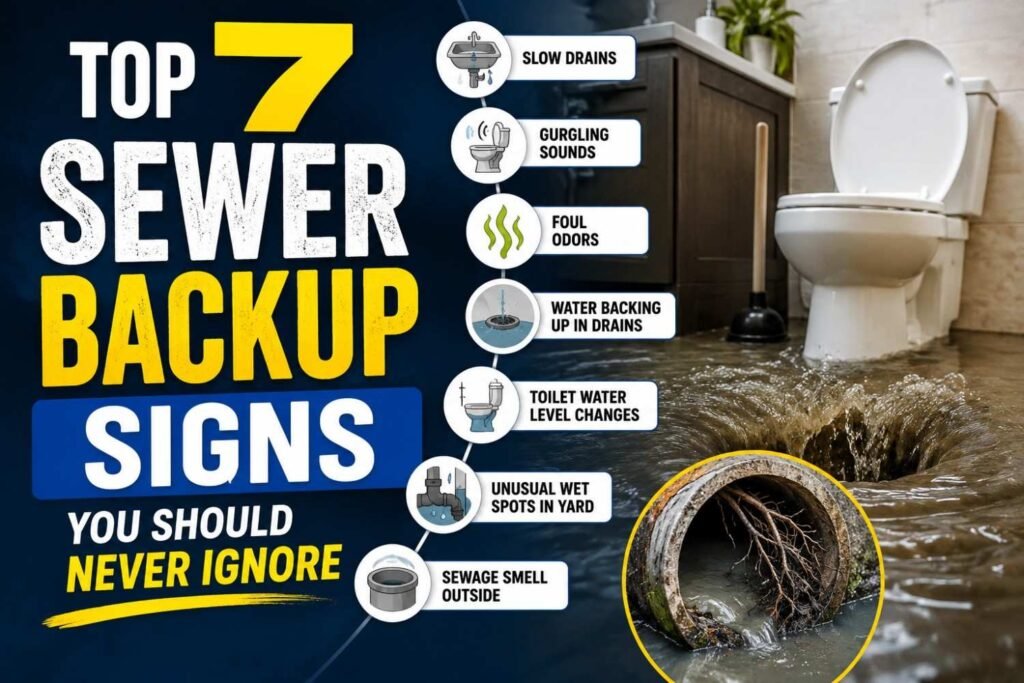
- Slow draining water
- Gurgling sounds from pipes
- Foul odors from sinks or drains
- Water backing up in sinks or toilets
- Multiple drains clogging at once (serious sewer issue)
- Unusual wet patches in garden or floors
How Drain Blockages Develop Over Time
Drain blockages rarely happen instantly (except when foreign objects are involved). Instead, they follow a pattern:
- Small debris enters the pipe
- Grease or residue sticks to pipe walls
- Additional waste gets trapped
- Flow restriction begins
- Full blockage forms
The longer this process continues, the harder it becomes to clear without professional intervention.
Prevention Tips
Preventing drain blockages is easier and cheaper than fixing them.
Kitchen:
- Never pour oil or grease down the sink
- Use strainers to catch food waste
- Dispose of fats in a separate container
Bathroom:
- Install drain covers to catch hair
- Avoid flushing wipes or sanitary items
- Clean drains regularly with hot water
General:
- Schedule periodic drain cleaning
- Be mindful of what goes into the plumbing system
- Address slow drains early before they worsen
When to Call a Professional
You should contact a plumber if:
- Multiple drains are blocked at the same time
- DIY methods fail repeatedly
- You notice sewage backup
- Blockages keep recurring
Persistent issues often indicate deeper problems in the main sewer line that require professional inspection tools.
Final Thoughts
Drain blockages are usually the result of gradual buildup, poor disposal habits, or hidden structural issues. While minor clogs can be managed at home, repeated or severe blockages often signal a larger plumbing problem. Regular maintenance and mindful usage of drains can significantly reduce the risk and keep your plumbing system running smoothly.

Pryceless Maintenance Group Team
The Pryceless Maintenance Group team writes from real field experience in sewer, drain, and plumbing work across New York & Connecticut. With years of hands-on service in residential and commercial properties, we share practical insights, problem-solving tips, and real-world solutions based on actual jobs in the field.
Pryceless MG Team
The Pryceless Maintenance Group team writes from real field experience in sewer, drain, and plumbing work across New York & Connecticut. With years of hands-on service in residential and commercial properties, we share practical insights, problem-solving tips, and real-world solutions based on actual jobs in the field.